

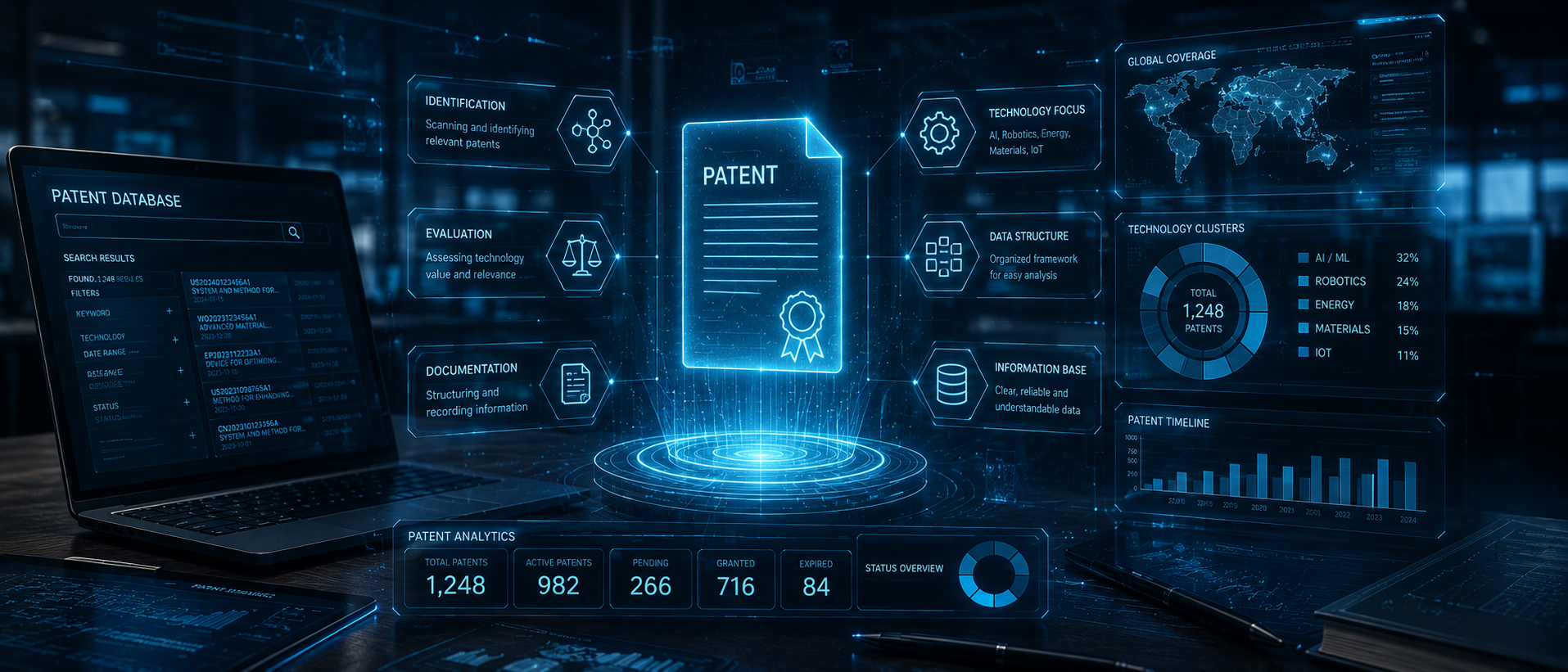
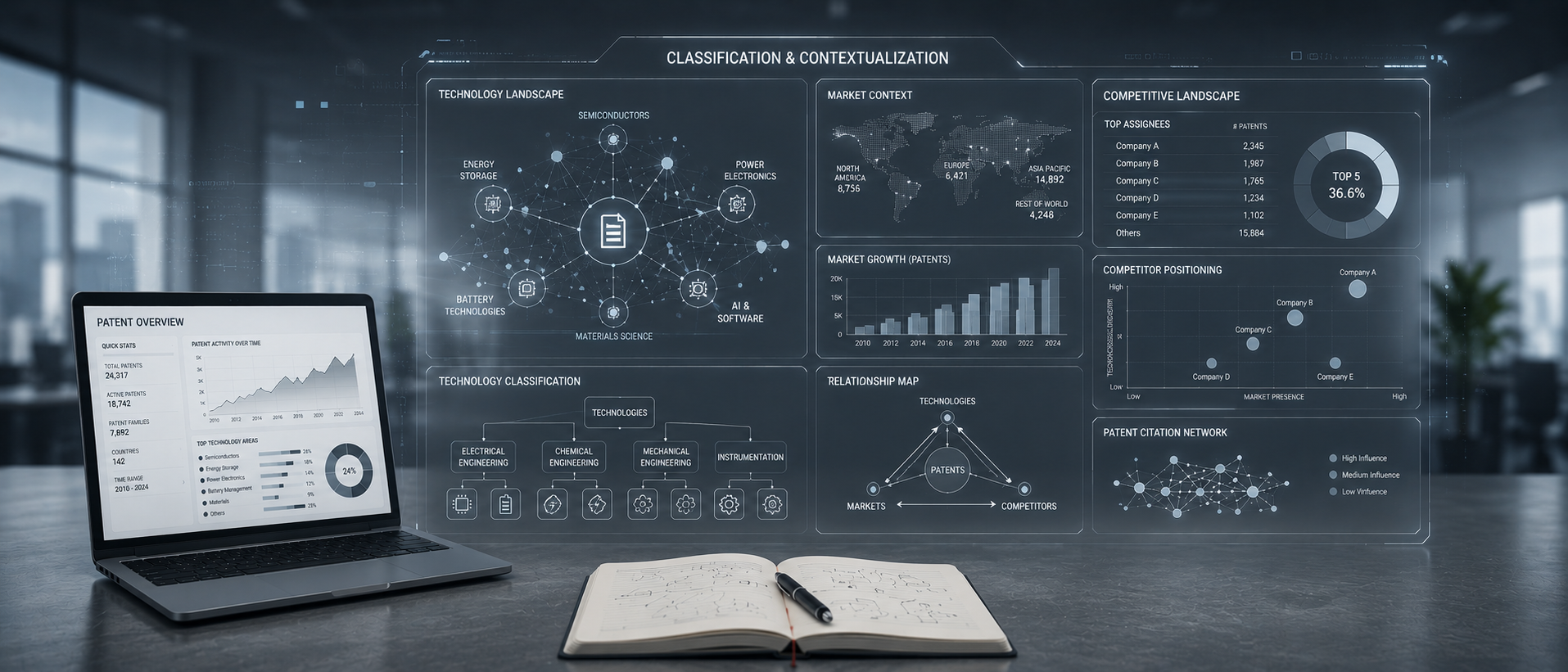



The benchmark studies that were carried out enabled us to identify a trend in the developmental orientation of our closest competitors, including the technologies used. From this, the company’s own market position was recognized and key areas of development were derived.
BHTC 
GOBENCH enables us to bring together benchmark results from the individual areas of BSH and to optimize global collaboration and networking of the benchmarking teams. The structured data storage and the individual analysis options are the basis for achieving our goals: GOBENCH supports us in development and production, helps us save time and costs and improve the quality of our products. The competent support from employees of INDEC helps us to achieve extensive penetration and use of the system throughout the group.
BOSCH SIEMENS HOMEAPPLIANCE (BSH) 
Since Claas has core know-how in the various areas of agricultural engineering and has to handle this accordingly across all levels in a user-oriented manner, the company was looking for ways to link all fields with one another and make the know-how even more valuable. GOBENCH is a useful tool for this.
CLAAS 
Since 2012, Conti has been using the GOBENCH system to regularly identify relevant parameters, including questions relating to product technology and cost analyzes. The information obtained is not only sent to the internal customer who formulated the specific question, but also to other departments in the company that access the knowledge gained. Before that, Conti had an independently developed solution based on a Sharepoint server. However, due to the complex requirements of all product areas at Conti, this could not be further developed as needed.
CONTINENTAL 
By using AI-supported text and image recognition, we considerably reduce manual and repetitive tasks in our benchmarking processes. Data entry errors are minimized and existing information can be reused efficiently – saving time, reducing training costs and improving data consistency. Our AI runs entirely in-house, ensuring that sensitive data always remain secure. Automated evaluation of visual content also opens-up new analysis potential.
Improve Efficiency | Improve Data Quality | Reduce Errors | Save Time | Ensure Data Security
FORVIA – HELLA 
Within a few weeks, HILTI received the complete implementation of the newly defined benchmark process as well as the appropriate data structures. The GOBENCH benchmarking system developed by INDEC was implemented quickly and smoothly in the company. The expansion of GOBENCH to the next business units at HILTI will follow shortly.
HILTI 
GOBENCH is accessible from anywhere in the world and allows us data sharing in an international scale. What we appreciate is the flexibility of the database, but yet allowed for much more organized structure of the data collected to allow easy comparisons. With GOBENCH we reduce specific searches and data collection from days to minutes.
JOYSON SAFETY SYSTEMS 
Within about a month, Kirchhoff received a complete, functional GOBENCH system including all query and evaluation options in the corporate design. The employee were trained so that minor adjustments and extensions could be implemented on their own after a short time. Due to the success of this pilot, further products with product-specific recording standards were implemented in GOBENCH before the planned date. Here, too, INDEC provided support.
KIRCHHOFF AUTOMOTIVE 
With the introduction of GOBENCH, Magna Seating created a global information system to support development in the areas of competitive analysis, technology analysis and best practice. In further steps, findings from internal projects and the resulting best practice solutions were also integrated into the new GOBENCH system and made available to all users.
MAGNA 
For us, benchmarking is a continuous process to improve our products through evaluated benchmark results. Structured and targeted benchmarking with the support of the GOBENCH, which is geared towards our needs, lead us to save time, costs and capacities in product development, including investigations of the product maturity level.
MERCEDES BENZ 
One of the challenges in a continuous benchmarking process is to collect a large amount of information and store it in a structured manner. The GOBENCH system offers us a flexible and suitable platform for this. Products, assemblies, components, concepts and product-specific features can thus be easily compared and analyzed with one another.
MIELE 
GOBENCH enables us to structure the, in some cases, very heterogeneous data as required and to make it accessible across the entire company. The flexibility of the database allows us to meet the diverse and often new tasks which come from the market. Due to that, GOBENCH is used in addition to the the technical competition analysis for the evaluation and analysis of market data.
MTU AERO ENGINES 
With the GOBENCH IQ system, we have found a way to turn the individual knowledge of individual employees into organizational knowledge that everyone in the company can access. The decision to switch to the GOBENCH system was made in light of the company’s own resources. We wanted a more professional solution including support and no longer a more or less exotic in-house development. With increasing complexity and increased demands on the part of management, GOBENCH is significantly more efficient; the development costs are borne by many companies and not just one.
THYSSENKRUPP 
All marketing information is now available company-wide to the employees involved via the web-based GOBENCH system. The market situation can now be analyzed quickly and easily and the market strategy can be aligned as best as possible on the basis of an objectified benchmarking process. In the future, WAREMA can easily expand the content and tasks to include product benchmarking, e.g. for sun sails, awnings, etc. with GOBENCH.
WAREMA